PCOS affects approximately 1 in 10 women of reproductive age — making it the most common hormonal disorder in that demographic globally. It is the leading cause of anovulatory infertility. And the standard first-line treatment — metformin, designed in 1957 for type 2 diabetes — addresses one metabolic lever when PCOS involves at least four. GLP-1 medications were not designed for PCOS either. But their mechanism targets its core drivers more precisely than anything that was.
The standard online advice centres on "managing symptoms": birth control pills to regulate cycles, spironolactone for acne, metformin for insulin resistance, and the perennial "lose weight and exercise more." That last piece is not wrong. But it is frustratingly incomplete. The reason weight loss helps PCOS is not the weight itself. It is the insulin. And understanding that distinction is the difference between choosing a GLP-1 that happens to help and choosing one with a mechanistic reason to help — at multiple points in the cascade simultaneously.
This article covers the actual biology: why insulin resistance is the engine of PCOS in 70–80% of cases, how GLP-1 medications address it at the hypothalamic, ovarian, and metabolic levels, what the evidence shows for semaglutide and tirzepatide specifically, and where the gaps still are. It ends with what to stack alongside GLP-1 to cover the bases that prescription medication alone cannot reach.

Photo: Pexels — PCOS is diagnosed by Rotterdam criteria: two of three features — irregular cycles, hyperandrogenism, and polycystic ovarian morphology.
What PCOS Actually Is at a Clinical Level
The word "polycystic" is the first misleading thing about PCOS. The ovaries are not cystic in the conventional sense — they contain many small, immature follicles that never complete development. They look like a string of pearls on ultrasound. Each follicle represents an egg that started growing and then stopped — arrested mid-cycle by hormonal disruption.
PCOS is diagnosed using the Rotterdam criteria: two of three features present, after excluding other causes. The three features are oligoovulation or anovulation (irregular or absent cycles), clinical or biochemical hyperandrogenism (elevated testosterone, DHEAS, or clinical symptoms like acne and hirsutism), and polycystic ovarian morphology on ultrasound. This produces four distinct phenotypes — from the "classic" phenotype with all three features (most metabolically severe) to phenotype D with only morphology and irregular cycles (mildest).
According to the International Evidence-Based Guideline for PCOS (Teede et al. 2018), the condition is dramatically underdiagnosed — the average woman with PCOS sees three or more healthcare providers before receiving a correct diagnosis, often over two years. Symptoms are frequently attributed to "normal" hormonal fluctuation, depression, or lifestyle factors in isolation.
The root issue in most phenotypes is not the ovaries. The ovaries are downstream. The root issue is a metabolic disruption — insulin resistance — that cascades through the hormonal signalling system and ends at the arrested follicle. Treat the insulin, and the follicle often resolves.
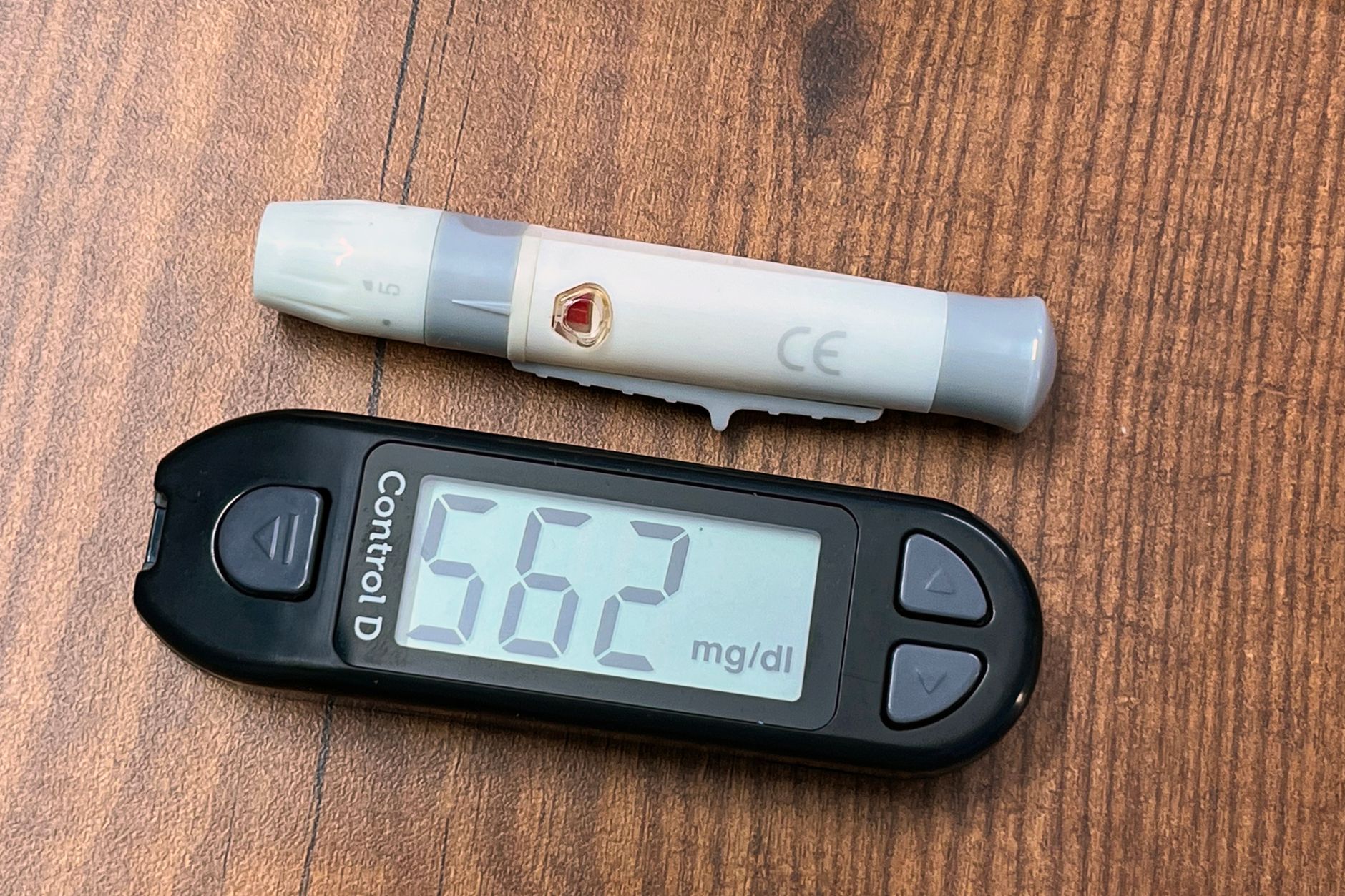
Photo: Pexels — Insulin resistance is present in 70–80% of PCOS cases and drives the entire androgenic cascade that disrupts ovulation.
Why Insulin Resistance Is the Engine of PCOS
Here is the mechanism most GPs never explain. And it is the mechanism GLP-1 directly addresses.
When cells become insulin-resistant, the pancreas compensates by secreting more insulin. Elevated circulating insulin then signals the ovarian theca cells — the cells that produce androgens — to upregulate testosterone and androstenedione production. Simultaneously, elevated insulin suppresses hepatic sex hormone-binding globulin (SHBG) synthesis. Lower SHBG means more free testosterone circulating in the blood. More free testosterone means more androgen-driven symptoms: acne, excess hair growth, and disrupted follicular development.
But the cascade goes further. Elevated insulin also increases LH pulse frequency from the hypothalamic-pituitary axis. LH pulses are the signal that tells thecal cells to produce androgens. More LH pulses mean more androgens. More androgens mean more follicular arrest. It is a reinforcing loop, and insulin is the engine driving it.
This is why 5% body weight loss can restore ovulation in ~70% of anovulatory women with PCOS — not because weight loss is magical, but because it reduces insulin resistance, which quiets the androgenic cascade, which allows follicles to complete development. The weight is not the problem. The insulin signalling is the problem. Weight loss is just a reliable way to improve it.
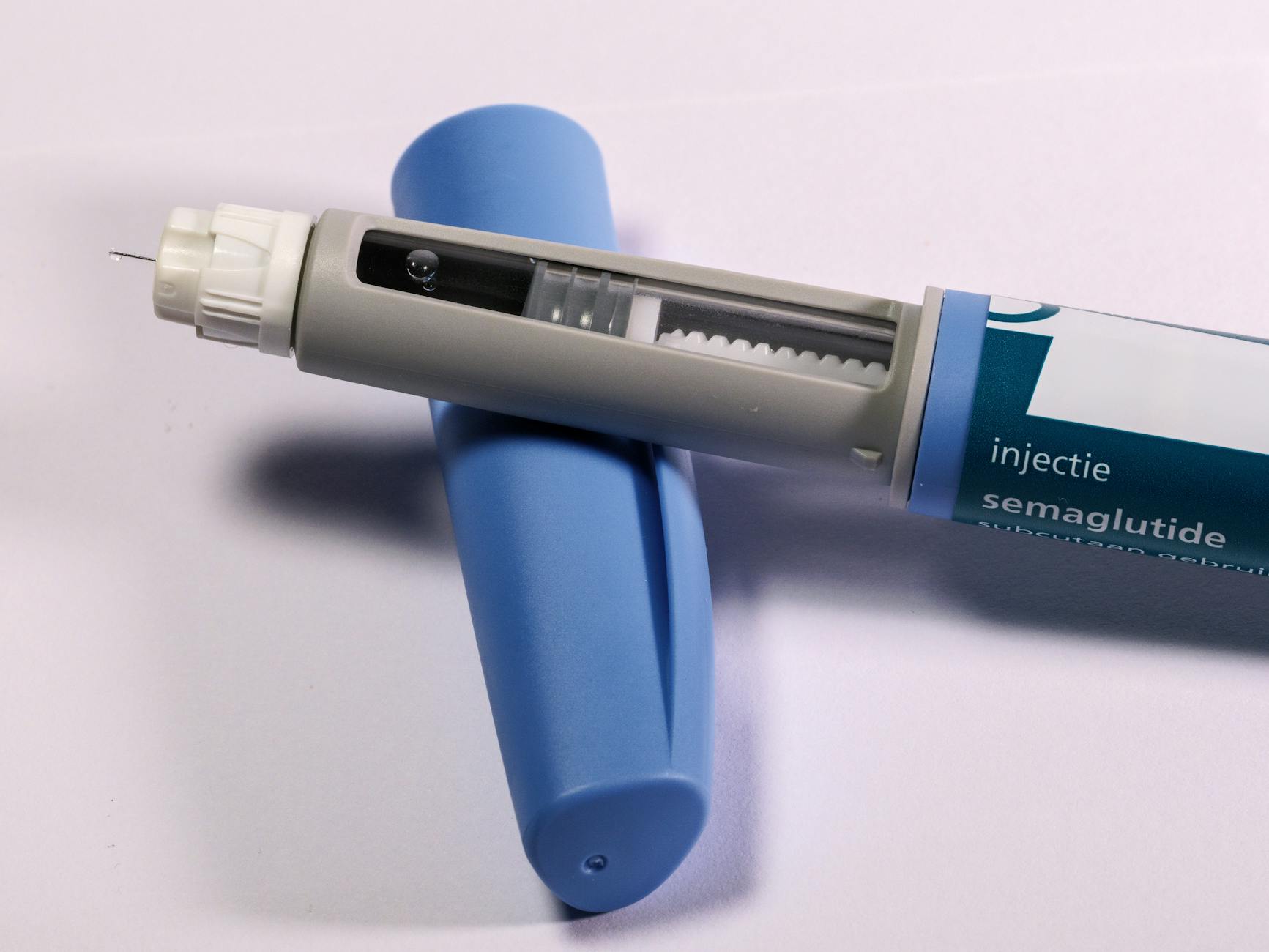
Photo: Pexels — GLP-1 medications address PCOS at four distinct points in the insulin-androgen cascade — not just through weight loss alone.
How GLP-1 Works on PCOS Specifically
GLP-1 medications do not treat PCOS by accident. They address its core mechanism at four distinct points simultaneously — which is why they are increasingly discussed in reproductive endocrinology even without an official PCOS indication.
| Mechanism | Effect on PCOS | Pathway |
|---|---|---|
| Reduces insulin relative to glucose | Less androgenic signalling from thecal cells | Pancreatic β-cell modulation |
| Suppresses LH pulse frequency | Directly reduces androgen production signal | Hypothalamic GLP-1 receptor |
| Promotes weight loss | Reduces adipose-driven inflammation and insulin resistance | Appetite and satiety centres |
| Reduces visceral fat specifically | Visceral fat is the most metabolically active and inflammatory | Adipose tissue GLP-1 receptor |
The LH pulse suppression is the piece most people do not know about. GLP-1 receptors are expressed in the hypothalamus and pituitary — the same structures that generate LH pulses. GLP-1 activation at those sites dampens the frequency of LH secretion, which directly reduces the androgenic signal reaching the ovaries. This is a mechanism entirely distinct from metformin, which works downstream at hepatic glucose output. GLP-1 is hitting an upstream switch that metformin cannot reach.
Clinical data on liraglutide (an older GLP-1 drug) in PCOS showed reductions in total testosterone of 20–30% in some studies, alongside cycle regularity improvements. Semaglutide's more potent and sustained GLP-1 receptor activation likely produces at least equivalent hormonal effects, with substantially greater weight loss.
GLP-1 targets the insulin–androgen cascade at the receptor level. Myo-inositol targets it intracellularly — as the second messenger of insulin signalling. The two are complementary. Most PCOS nutritionists recommend both together.

Photo: Pexels — Semaglutide has more PCOS-specific published data; tirzepatide produces greater weight loss — the decision depends on phenotype and severity.
Semaglutide for PCOS: What the Evidence Shows
Semaglutide — the active molecule in Ozempic and Wegovy — is a once-weekly injectable GLP-1 receptor agonist. It is not FDA-approved for PCOS. It is prescribed off-label by endocrinologists and reproductive endocrinologists who understand the insulin-PCOS mechanism. This distinction matters: off-label prescribing is legal and often evidence-based, but it means insurance coverage is less predictable.
The STEP 1 trial produced 14.9% total body weight loss at 68 weeks in overweight and obese adults without diabetes. For a woman with PCOS who needs 5% weight loss to restore ovulation, that endpoint is reached within the first 12–16 weeks for most participants. The weight loss continues well beyond that threshold.
According to a 2022 systematic review by Jensterle et al. on GLP-1 receptor agonists in PCOS, semaglutide and its predecessors were superior to metformin for weight reduction and at least equivalent for hormonal parameter improvement — including testosterone, LH/FSH ratio, and menstrual regularity. In several studies, GLP-1 agonists restored regular cycles in women who had failed to respond to metformin.
Semaglutide's profile for PCOS: ✓ Best evidence base ✓ Once-weekly dosing ~ Off-label for PCOS ~ Not for use during pregnancy
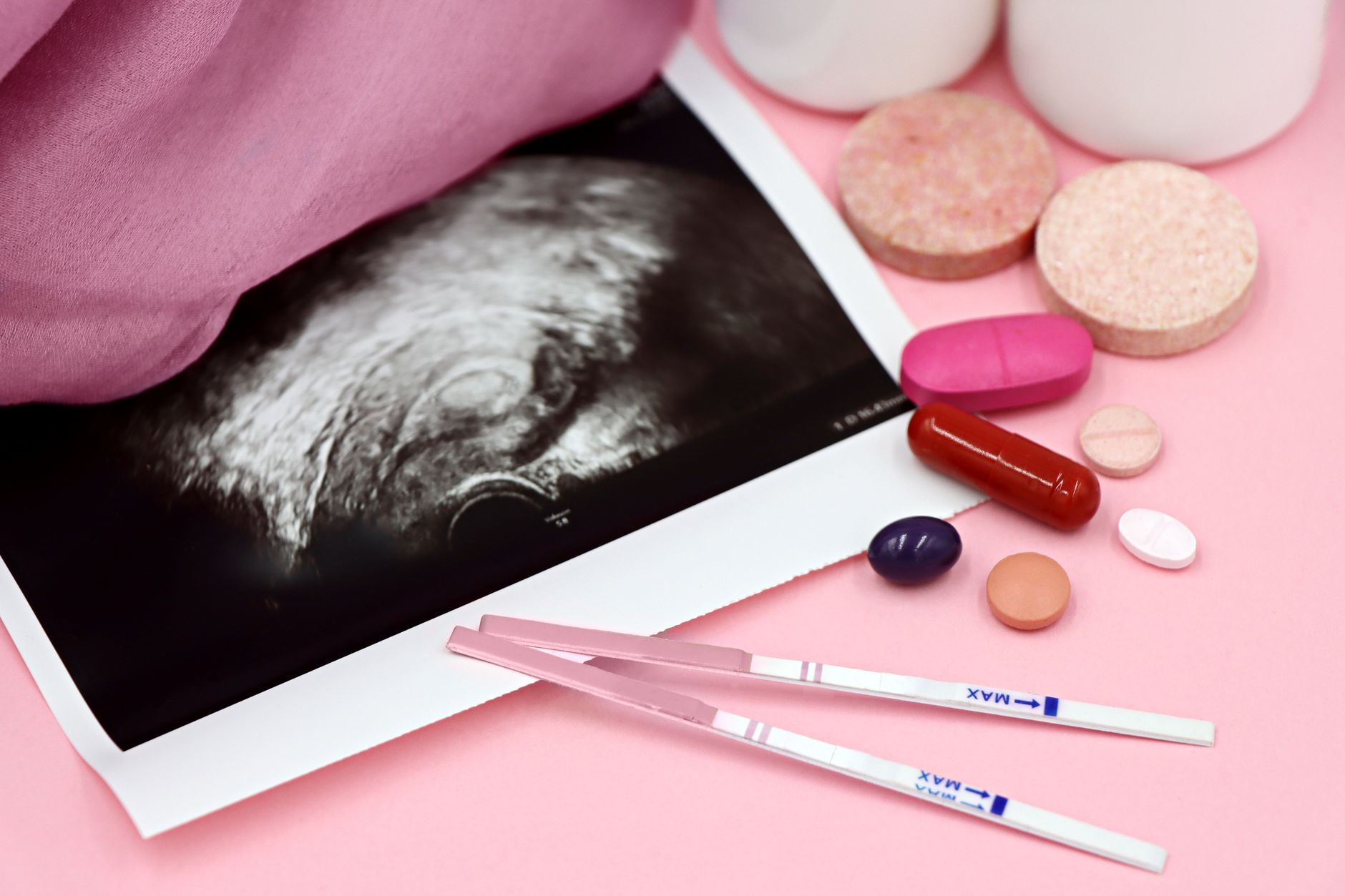
Photo: Pexels — Restoring ovulation is one of the most clinically meaningful outcomes of GLP-1 therapy in PCOS, achieved through the insulin–androgen pathway.
Tirzepatide vs. Semaglutide for PCOS: Is One Better?
Tirzepatide — the active molecule in Mounjaro and Zepbound — is a dual GIP/GLP-1 receptor agonist. The addition of GIP (glucose-dependent insulinotropic polypeptide) agonism adds a second mechanism: GIP receptors are expressed on adipose tissue, and GIP activation there appears to enhance fat mobilisation beyond what GLP-1 alone produces.
The numbers show this clearly. The SURMOUNT-1 trial produced 22.5% body weight reduction at 72 weeks for the highest tirzepatide dose. Compare that to ~15% for semaglutide at 68 weeks. That is a meaningful difference — roughly 7 additional percentage points of body weight, which translates to substantially greater insulin sensitisation and, potentially, greater hormonal normalisation in PCOS.
But the comparison is not straightforward for PCOS specifically:
| Factor | Semaglutide | Tirzepatide |
|---|---|---|
| PCOS-specific studies | Multiple (small to moderate) | Very limited (emerging data) |
| Weight loss at 72 weeks | ~15% | ~22.5% |
| LH pulse suppression data | Yes (liraglutide/semaglutide class) | Theoretical, not confirmed in PCOS |
| Access and insurance coverage | More established | Improving but variable |
| Best for | Mild-to-moderate PCOS with insulin resistance | Significant obesity + severe PCOS |
The verdict is practical: if you have significant obesity and severe PCOS symptoms, tirzepatide's additional 7% weight loss may produce meaningfully better hormonal outcomes. If your PCOS is moderate and weight loss of 5–10% would likely restore cycle regularity, semaglutide's established track record in PCOS populations makes it the more evidence-backed first choice. No head-to-head PCOS trial exists. For those also considering berberine as an adjunct or alternative, our GLP-1 vs berberine comparison tool can help you compare GLP-1 and berberine for PCOS based on your individual profile. This is ultimately a discussion to have with a reproductive endocrinologist, not an algorithm to run alone.

Photo: Pexels — GLP-1 medications work best for PCOS in the context of diet, exercise, and targeted supplementation — not as a standalone fix.
What GLP-1 Cannot Do for PCOS
A lot of women assume GLP-1 will fix their PCOS. It will meaningfully address the insulin-driven mechanism in most phenotypes. It is not a cure. PCOS has no cure — it has management strategies. And GLP-1 has real blind spots.
GLP-1 does not directly suppress androgen production at the receptor level. Spironolactone and finasteride do this — they block androgen receptors and 5-alpha reductase respectively, which GLP-1 does not. For women with significant hirsutism or acne driven by high free testosterone, GLP-1 may improve these symptoms through the insulin pathway, but not as completely or quickly as anti-androgens.
GLP-1 is less effective in lean PCOS phenotypes. Lean PCOS involves different pathological drivers — higher intrinsic LH hypersecretion, SHBG dysregulation not driven by insulin resistance, and sometimes a different ovarian androgen production pattern. The mechanism GLP-1 targets most directly (insulin → androgen cascade) is less prominent in lean PCOS. Weight loss is less impactful when there is less weight to lose. It is also worth noting that PCOS and perimenopause frequently overlap or co-occur in women over 35 — if you are experiencing symptoms of both, our perimenopause symptom checker can help clarify which hormonal picture you are dealing with.
GLP-1 does not address thyroid dysfunction, adrenal androgen excess, hyperprolactinaemia, or late-onset congenital adrenal hyperplasia — conditions that must be ruled out before attributing all symptoms to PCOS. If your PCOS diagnosis was made without excluding these, revisit it with an endocrinologist.
Think of it this way: GLP-1 helps drain the insulin swamp that feeds the androgenic cascade. But if other factors — chronic stress, sleep deprivation, thyroid dysfunction, ultra-processed diet — are pouring into the same swamp from another pipe, the drainage is working against a constant inflow. You need to close the other pipes too.
What to Take Alongside GLP-1 for PCOS
GLP-1 and lifestyle address the macro-level insulin problem. These four interventions address it at different points in the same pathway — and the combination is more effective than any single approach.
Myo-Inositol (40:1 Ratio with D-Chiro Inositol)
Inositol is not just a supplement trend — it is a second messenger of insulin signalling. PCOS disrupts inositolphosphoglycan (IPG) metabolism, a pathway that mediates insulin's intracellular effects in the ovary. Supplementing with myo-inositol (in the 40:1 ratio that mirrors physiological tissue concentrations) targets this intracellular defect. It works by a completely different pathway from GLP-1, making the combination genuinely complementary. Studies show the 40:1 myo-inositol to D-chiro-inositol ratio restores ovulation, reduces LH/FSH ratio, and improves insulin sensitivity in PCOS populations. No known interaction with GLP-1 medications exists.
Vitamin D
Vitamin D deficiency is present in 60–80% of women with PCOS in most studied populations. Vitamin D receptors are expressed in ovarian tissue, and vitamin D directly regulates insulin sensitivity, AMH signalling, and follicular development. Supplementing to achieve serum 25(OH)D above 40 ng/mL (100 nmol/L) is a reasonable target. Most PCOS-relevant doses are 2,000–4,000 IU/day. Test before supplementing.
Magnesium Glycinate
Magnesium is a cofactor in more than 300 enzymatic reactions, including insulin receptor signalling. Deficiency exacerbates insulin resistance and elevates cortisol — both of which worsen PCOS. Magnesium glycinate at 300–400 mg before bed is well-tolerated and does not cause the GI side effects of magnesium oxide. It also supports sleep quality, which independently regulates insulin sensitivity and cortisol.
Zinc
Zinc inhibits 5-alpha reductase — the enzyme that converts testosterone to its more potent form, DHT. It reduces androgen-driven symptoms like acne and hirsutism through a direct enzymatic route. Studies in PCOS show zinc supplementation reduces fasting insulin, total testosterone, and DHEAS while improving menstrual regularity. Dosing: 25–40 mg/day elemental zinc with food. Do not exceed 40 mg/day chronically — it competes with copper absorption.
For a full breakdown of the supplement evidence base for women's hormonal health, including what the research actually shows for each compound, explore the WiseGoodness Women's Health library. And if you're also managing insulin resistance outside of PCOS, the metabolic health framework covers the broader picture.
Wholesome Story uses the clinically validated 40:1 ratio — 2,000 mg myo-inositol to 50 mg D-chiro-inositol — the same ratio studied in most PCOS clinical trials. Non-GMO, gluten-free, and free of artificial additives.
Whether you're starting GLP-1 therapy for PCOS or managing it through nutrition and supplementation alone, myo-inositol at the 40:1 ratio is the most evidence-backed OTC intervention available for PCOS insulin resistance and cycle regularity.
Frequently Asked Questions
Is semaglutide FDA-approved for PCOS?
No — semaglutide is not FDA-approved specifically for PCOS. It is approved for type 2 diabetes (Ozempic) and chronic weight management (Wegovy). Physicians may prescribe it off-label for PCOS, particularly when insulin resistance and obesity are prominent features. This is increasingly common in endocrinology and reproductive medicine practices.
Can GLP-1 help PCOS without weight loss?
Potentially, yes. GLP-1 receptors are expressed in the hypothalamus and pituitary, meaning GLP-1 medications can reduce LH pulse frequency and suppress androgen-driving signals independent of weight loss. However, most hormonal benefit in clinical studies occurred alongside significant weight reduction. Lean PCOS phenotypes — where insulin resistance is less central — may see less benefit through this mechanism.
What is the best GLP-1 for PCOS?
Semaglutide (Wegovy or Ozempic) has the most published data specifically in PCOS populations and is the established first choice for moderate PCOS with insulin resistance. Tirzepatide (Mounjaro or Zepbound) produces greater weight loss — approximately 22% vs 15% — which may translate to more robust hormonal improvement in women with significant obesity. There are no head-to-head PCOS trials yet. Discuss with an endocrinologist or reproductive endocrinologist.
How long does it take for GLP-1 to improve PCOS symptoms?
Cycle regularity often begins to improve within 3–6 months, coinciding with meaningful weight loss of 5–10% of body weight. Androgen-driven symptoms — acne, hirsutism — typically take 6–12 months and follow hormone level normalisation. Some women report cycle improvement before reaching target weight loss, reflecting the direct hypothalamic effects of GLP-1 on LH pulse suppression.
Can I take myo-inositol with GLP-1 for PCOS?
Yes — myo-inositol and GLP-1 medications target insulin resistance via different pathways and are generally considered complementary. Inositol works intracellularly as a second messenger of insulin signalling; GLP-1 works at the receptor and systemic metabolic level. No known interactions exist. Always inform your prescribing physician about all supplements you are taking.
Does tirzepatide help PCOS more than semaglutide?
Tirzepatide produces greater weight loss (~22% vs ~15%), and since weight loss drives most of the hormonal improvement in insulin-resistant PCOS phenotypes, it may produce more robust outcomes for women with significant obesity. However, no direct head-to-head PCOS trial exists, and semaglutide has a stronger published evidence base for PCOS specifically. Tirzepatide's additional GIP mechanism may also independently benefit adipose insulin sensitivity.
Will GLP-1 improve my fertility if I have PCOS?
Possibly — by restoring ovulation. Research shows 5% body weight loss restores spontaneous ovulation in approximately 70% of anovulatory women with PCOS and obesity. GLP-1 medications reliably produce this degree of weight loss within 3–6 months. GLP-1 medications must be discontinued before attempting conception and are not safe during pregnancy — work with a reproductive endocrinologist to coordinate the transition.
For women navigating PCOS alongside other hormonal and metabolic concerns, WiseGoodness covers the full picture — from the safety of GLP-1 during breastfeeding to understanding what metabolic health actually means and how to measure it. PCOS is a metabolic condition masquerading as a reproductive one. Treat it accordingly.